
Benches
unsupported
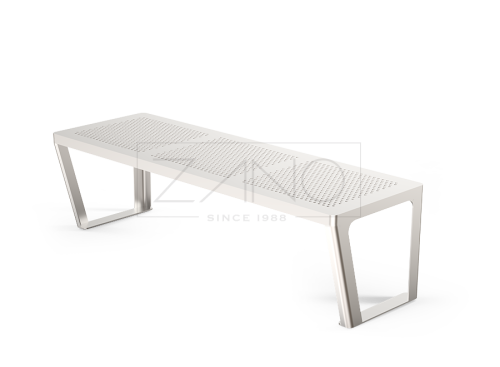
Bench Scandik
02.446.P
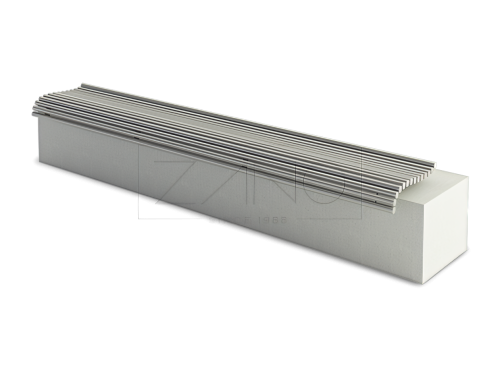
Bench Palia
02.738
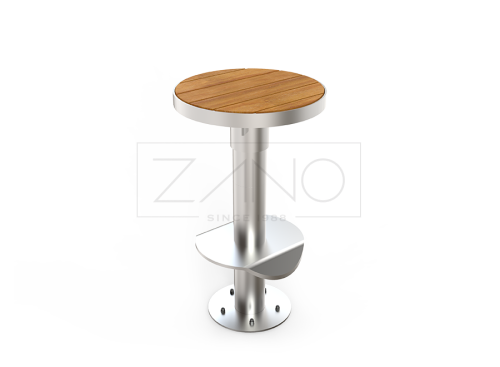
Swivel stool Scandik
17.246
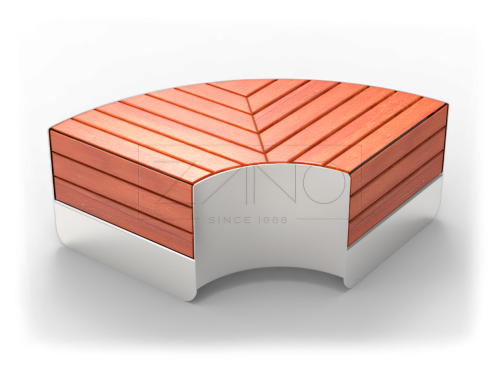
Bench Universe
02.455.3
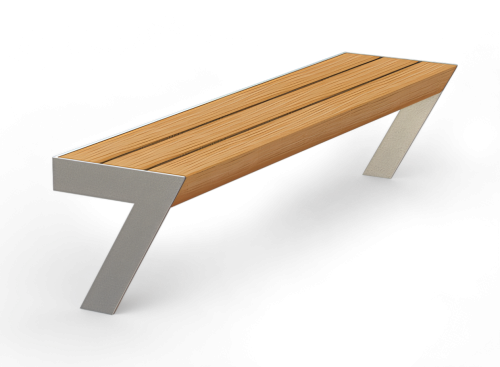
Bench Seven
02.432
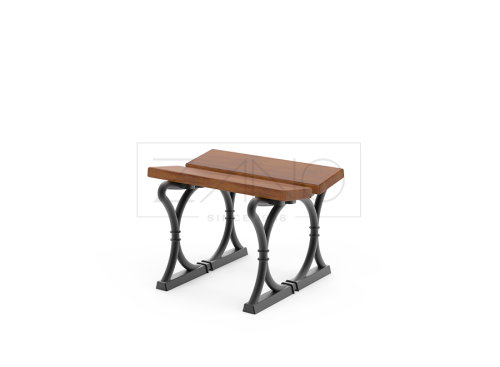
Old town Seat
02.170
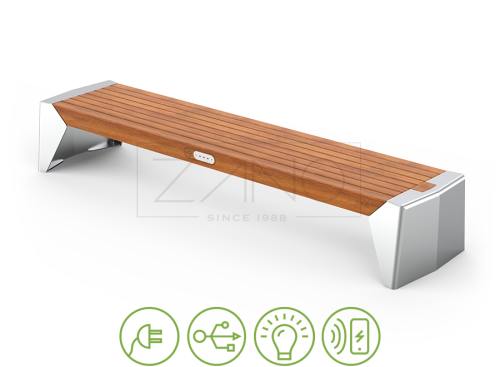
Bench Photon
02.409.2
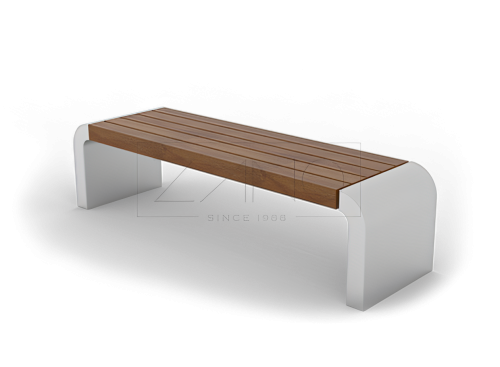
Bench Gravis
02.437

Seat Soft
02.112.1
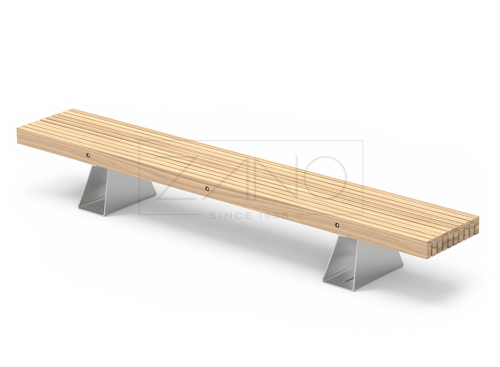
Bench Travetto
02.407
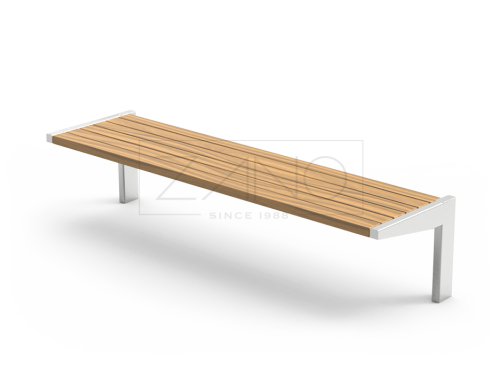
Bench Amicus
02.433
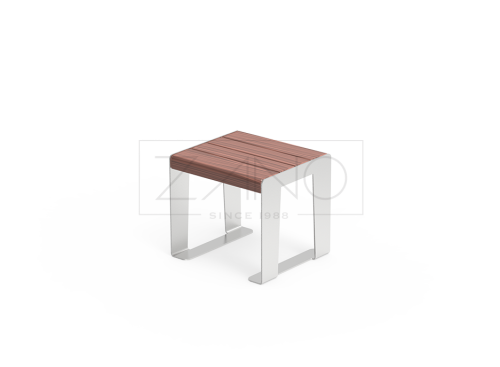
Seat Reliq
02.014

Bench Origami
02.460.5

IVO bench
02.445.1

Bench Retro
02.478

IVO bench
02.445.2
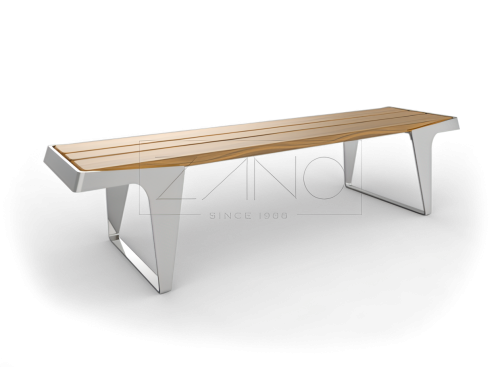
Bench Biker
02.417

Seat Soft
02.112
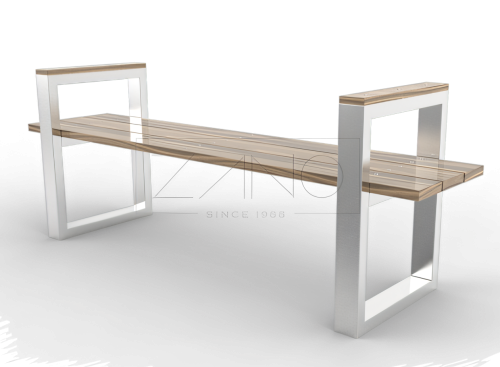
Bench Aplos
02.406
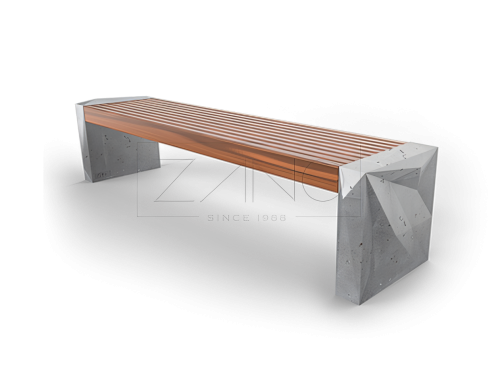
Bench Trigono
02.434
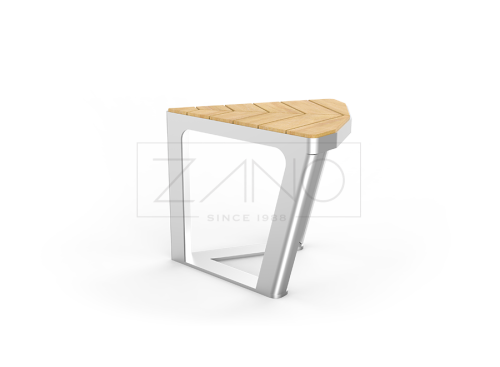
Seat Scandik 60°
02.146.3
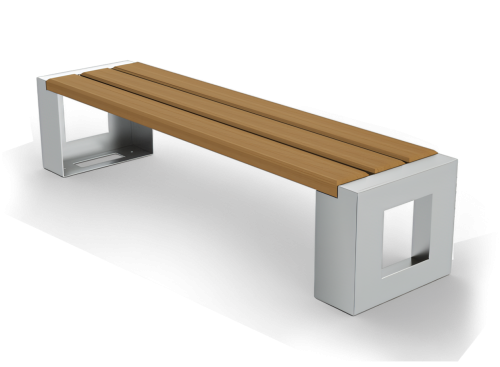
Bench Mimesis
02.426
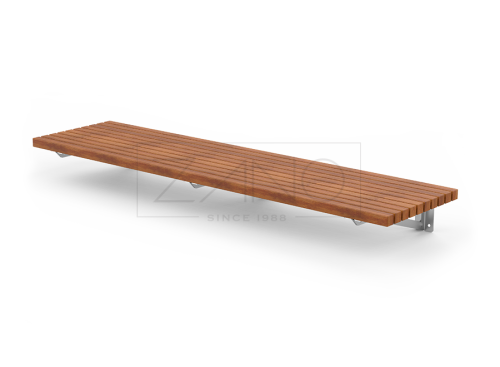
Bench Platt
02.429

Bench Orbit
02.450.3
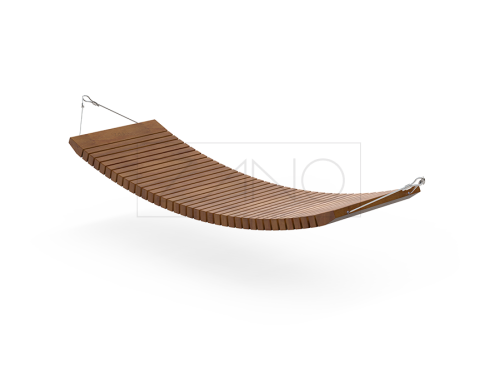
City hammock Wave
02.916.3
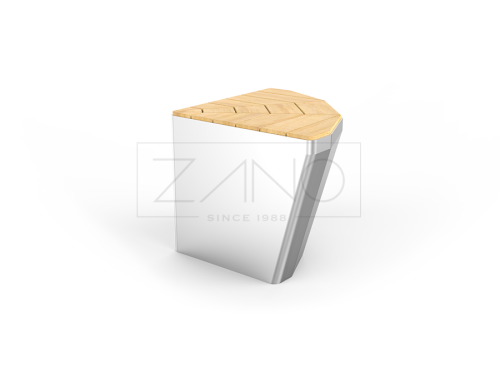
Seat Scandik 90°
02.146.2
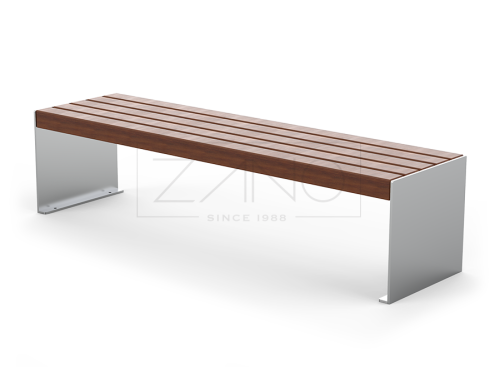
Bench Simple
02.424
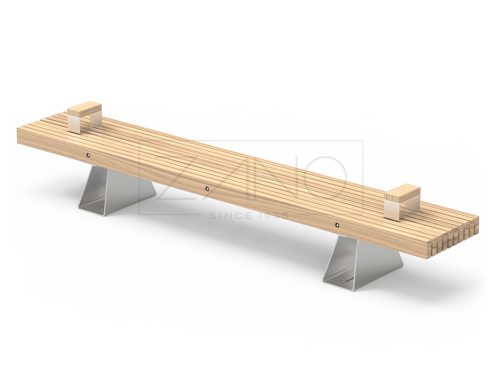
Bench Travetto
02.407.1
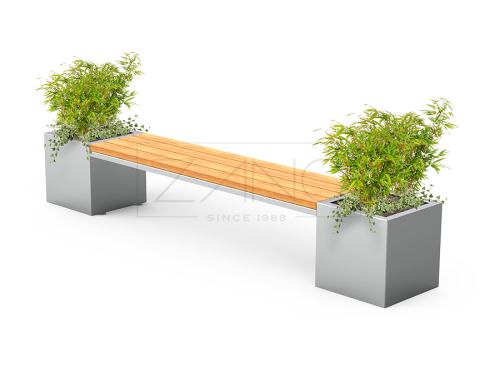
Bench Flora
02.427
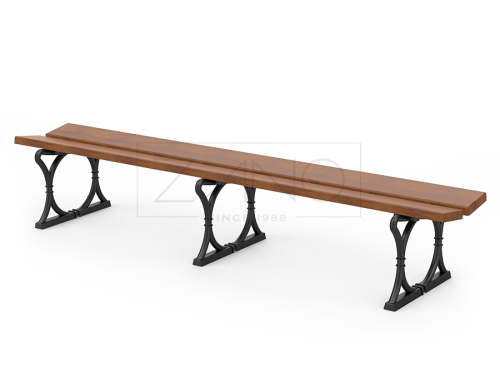
Old town bench
02.470.1
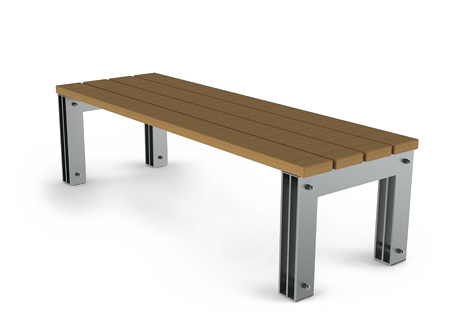
Bench Tristad
02.422
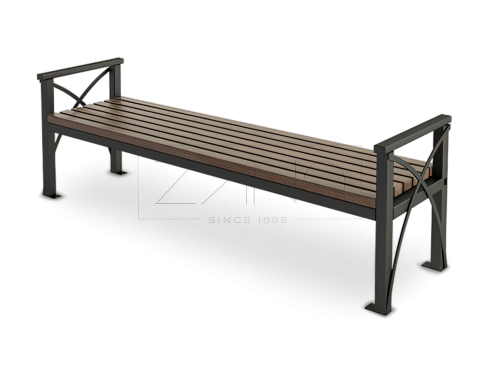
Bench Skała
02.483
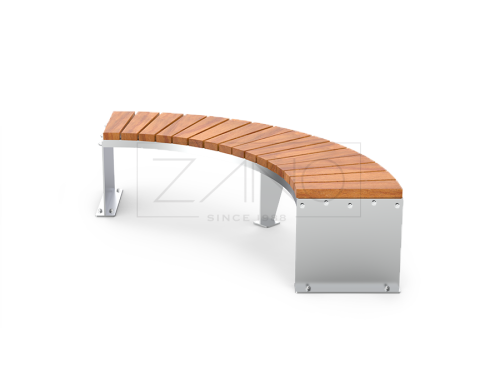
Bench Domino 90
02.440.1
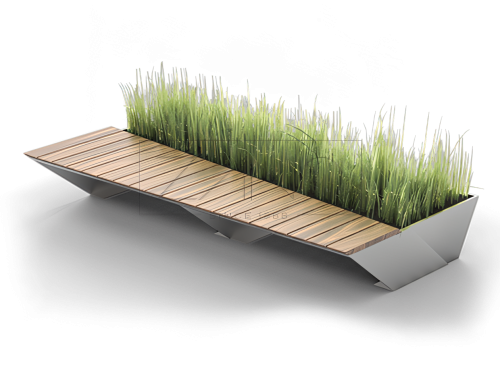
Bench Penrose
02.403
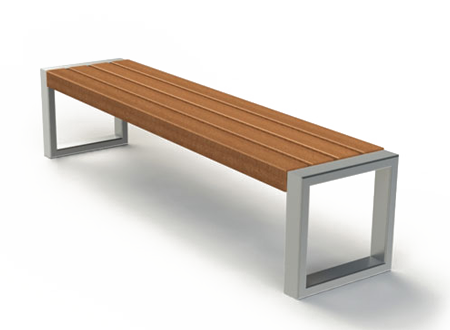
Bench Pluris
02.405
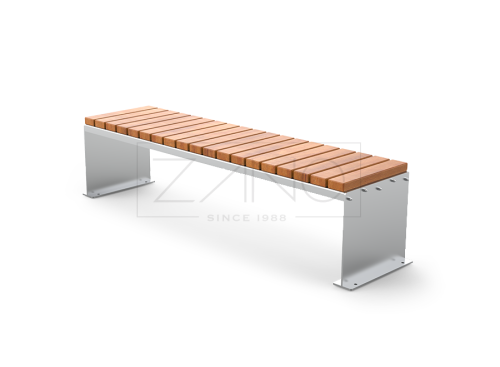
Bench Domino
02.440

IVO bench
02.245
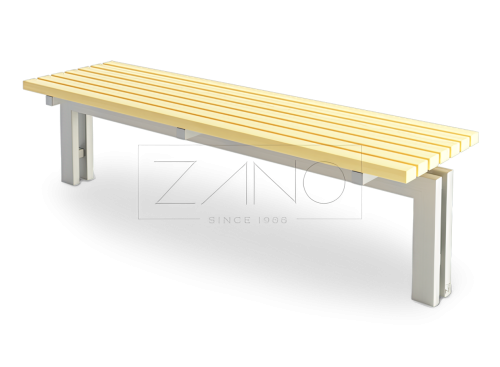
Bench Bus
02.420
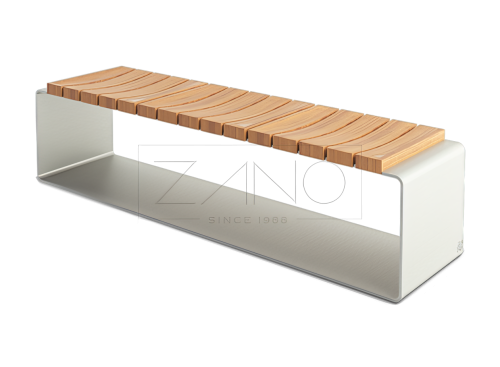
Bench Clipo
02.428

Bench Orbit
02.450.2
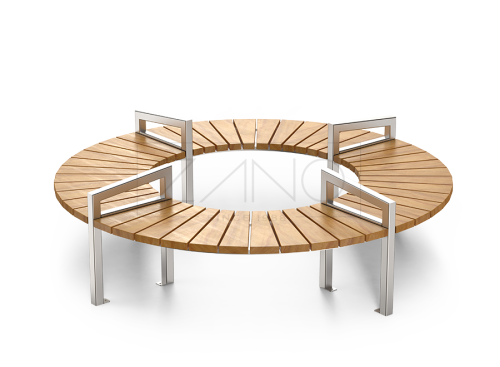
Bench Luna
02.430
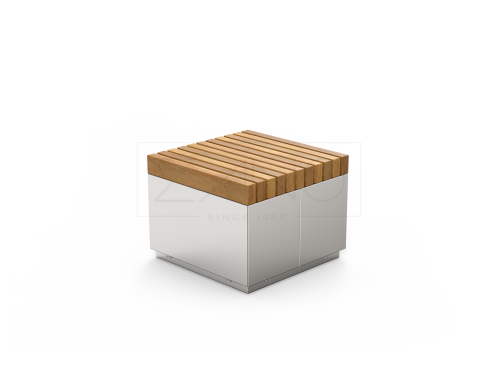
Seat Quadro
02.176
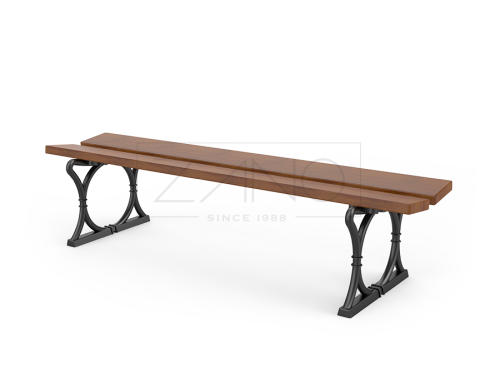
Old town bench
02.470
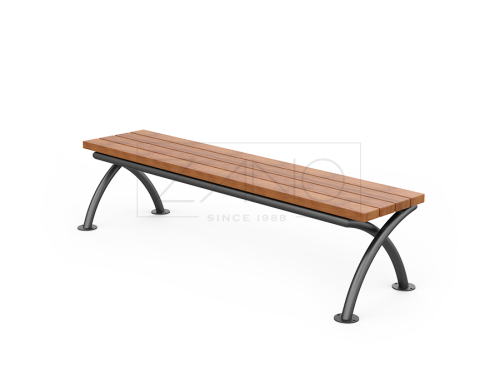
Bench Flex
02.418

Seat Scandik 90°
02.146.1
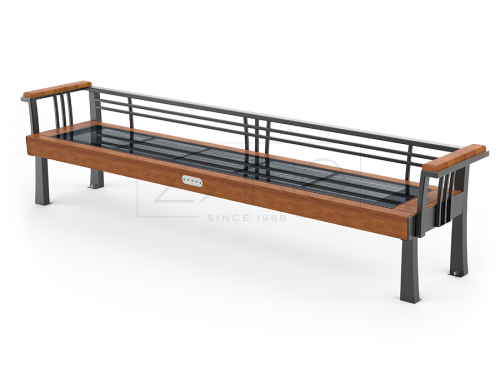
Solar bench Szczepańska
02.484.1
Benches without backrest are a quintessential component of street and urban furniture, offering a minimalist and versatile seating solution in public spaces, parks, and urban landscapes. These benches provide a linear, unobtrusive profile that blends seamlessly with various architectural and natural settings, making them a favorite choice for planners looking to maintain visual sight lines while providing practical seating options.
Crafted from a variety of materials including wood, metal, and recycled plastic, benches without backrests are designed to withstand the rigors of outdoor environments. The selection of materials not only ensures durability and longevity but also complements different design aesthetics from rustic to contemporary. Wood benches offer a classic look and natural feel, making them suitable for parks and nature trails, whereas metal benches provide modern appeal and robustness needed in more urban settings.
The installation of benches without backrests emphasizes user flexibility. These benches accommodate a wide range of activities, from a quick rest while walking to a comfortable spot for reading or socializing. Their open design allows individuals to sit on either side, making them particularly useful in spaces where people may gather from different directions, such as transit stops and commercial districts.
Benches without backrests also contribute to the accessibility of public spaces. Without the barrier of a backrest, they are easier to access for those with mobility issues. They can be approached and exited from any direction, which simplifies navigation for wheelchair users and others requiring more adaptable seating solutions.
In terms of maintenance, these benches are designed to be low-maintenance, requiring only basic care to maintain their appearance and functionality. Whether treated wood, coated metal, or heavy-duty plastics, the materials used are selected to resist weathering, vandalism, and daily wear and tear. This makes them a cost-effective choice for public administrations and private developers alike.
Environmentally conscious designs are increasingly prevalent in the production of benches without backrests. Many manufacturers are focusing on sustainable practices, such as using recycled materials and employing production processes that minimize environmental impact. This not only enhances the ecological footprint of these products but also appeals to communities and purchasers looking to invest in green initiatives.
In summary, benches without backrests are a practical and stylish addition to any outdoor space. Their durable construction, ease of maintenance, flexibility in use, and potential for inclusive design make them an essential element of contemporary urban furniture. Whether integrated into a serene park setting or positioned in the bustling hub of a city, these benches play a pivotal role in enriching public spaces by providing durable, accessible, and aesthetically pleasing seating options.