Benches
spoilers
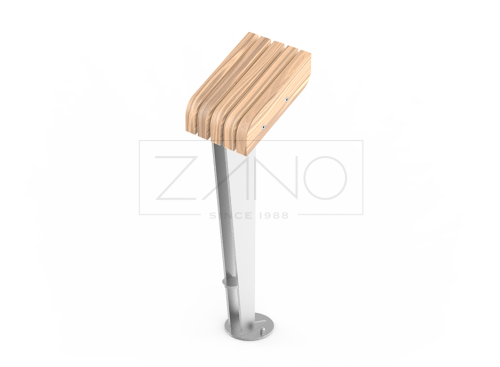
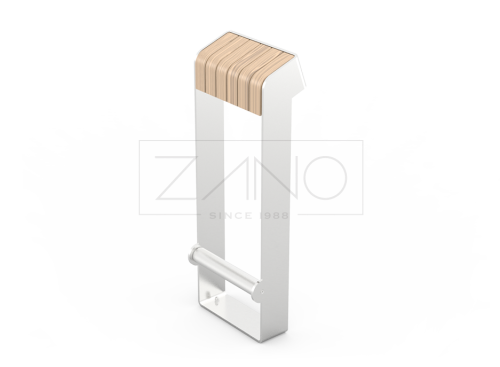
Bus stop benches are an essential element of street furniture, offering both functionality and aesthetic appeal in public transportation areas. These benches are specifically designed to provide comfort and convenience to passengers waiting for buses, often enhancing the overall usability of transit systems.
Firstly, the design of bus stop benches typically focuses on durability and resistance to various weather conditions. Made from robust materials such as galvanized steel, stainless steel, or treated hardwoods, these benches are built to withstand the elements, including rain, snow, and extreme temperatures. The materials chosen not only offer longevity but also require minimal maintenance, ensuring that the benches remain in good condition over many years of use.
Ergonomics play a vital role in the design of bus stop benches. The seating is crafted to provide adequate support and comfort for a diverse range of users, including the elderly and those with disabilities. Accessibility is a key consideration, with benches often placed at an appropriate height and featuring armrests and back supports that aid in both sitting down and standing up.
In terms of aesthetics, modern bus stop benches blend seamlessly into both contemporary and traditional urban landscapes. Designers have the flexibility to customize the appearance of these benches to match specific local architectural styles or urban planning themes, which may include sleek, minimalistic lines or more classic, ornate features. Color schemes are also adaptable, with options to coordinate with other street furniture or municipal branding.
Additionally, the integration of innovative features into bus stop benches can significantly enhance user experience. Some benches incorporate shelters to protect passengers from the weather, solar-powered lighting for increased safety and visibility at night, and even charging stations for electronic devices, reflecting the growing need for connectivity in public spaces.
The placement of bus stop benches is another crucial aspect. Strategically located benches can facilitate traffic flow and prevent congestion at bus stops. Planners typically ensure that these benches do not obstruct pedestrian pathways or access to the bus, balancing functionality with pedestrian and traffic safety.
In summary, bus stop benches are a pivotal component of urban furniture, serving not only as a practical amenity for public transit users but also contributing to the aesthetic and functional landscape of cities. Their robust construction, ergonomic design, customized aesthetics, and thoughtful placement underscore their significant role in enhancing public transportation environments.