

Bike washing station Kangu
18.004.4

Bicycle washing and repair station Kangu
18.004.7
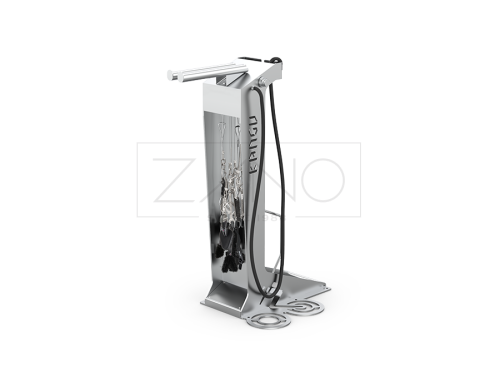
Bicycle washing and repair station Kangu
18.004.5
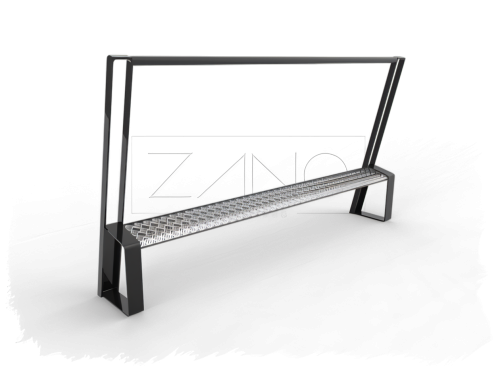
Support for cyclists Pauza
18.001
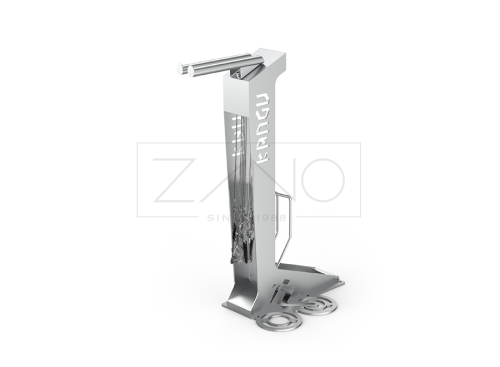
Bicycle repair station Kangu
18.004.1
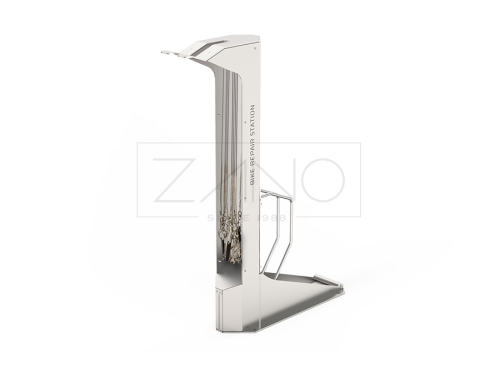
Bicycle repair station Stilo
18.048.1

Support for cyclists Joga
18.003
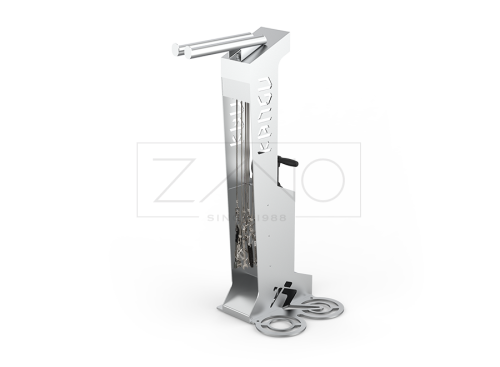
Bicycle repair station Kangu
18.004.2

Bicycle pump Kangu
18.104

Bicycle repair station Kangu
18.004.3

Bicycle repair station Kangu
18.004
Bicycle zones within urban landscapes serve a crucial function in promoting eco-friendly transportation and supporting active lifestyles. These designated areas are specifically tailored to accommodate and secure bicycles, providing cyclists with a welcoming and safe environment to park their bikes. The implementation of bicycle zones is pivotal in urban planning, aiming to reduce traffic congestion and decrease vehicular emissions.
The typical bicycle zone features a variety of street furniture designed to enhance the functionality and security of the space. This includes robust bicycle racks and stands that afford ample locking points and support for a variety of bicycle styles. These fixtures are engineered for durability and resistance against weather conditions and vandalism. Strategic placement of these elements allows for optimal use of space and accessibility, encouraging more people to cycle to their destinations.
Lighting is another essential aspect of bicycle zones, ensuring that the area is safe and usable during all hours. Well-lit bicycle zones deter theft and vandalism, increasing the confidence of cyclists to leave their bicycles in these areas. Additionally, the lighting contributes to the overall aesthetic of the space, making it an inviting component of the urban fabric.
Signage plays a critical role in the efficacy of bicycle zones. Clear, visible signs not only direct cyclists to the designated parking areas but also inform other road users of the presence of increased bicycle traffic. This awareness is crucial for safety and smooth cohabitation of road space among different users. Signage can also provide instructions for proper use of the facilities, further ensuring an orderly and efficient cycling environment.
To further enhance the utility and appeal of bicycle zones, amenities such as repair stations, air pumps, and seating areas can be included. Repair stations equipped with essential tools allow cyclists to perform minor repairs and adjustments, which promotes continual usage and minimizes disruptions to the cycling experience. Seating areas offer a place for relaxation or waiting, making these zones more than just a parking spot but a pleasant stopover in their travel.
In terms of materials and design, modern bicycle zones adopt an approach that complements the surrounding urban landscape. Using sustainable and high-quality materials such as stainless steel, recycled plastics, and treated woods ensures longevity and minimal environmental impact. The design often features sleek lines and modern aesthetics that align with contemporary cityscapes, effortlessly blending functionality with visual appeal.
Ultimately, the implementation of well-designed bicycle zones is a testament to a city’s commitment to sustainable urban mobility. By providing secure, accessible, and attractive facilities, cities can significantly encourage cycling among their residents and visitors, fostering a healthier, more active population, and contributing to the reduction of urban traffic and pollution. The design and maintenance of these zones must be ongoing to adapt to the increasing demand and evolving needs of urban cyclists.