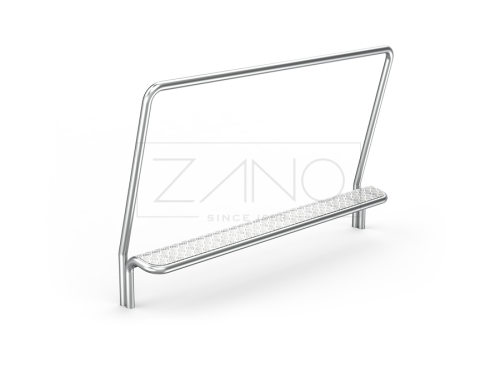
Bicycle zone
carbon steel (s235Jr)
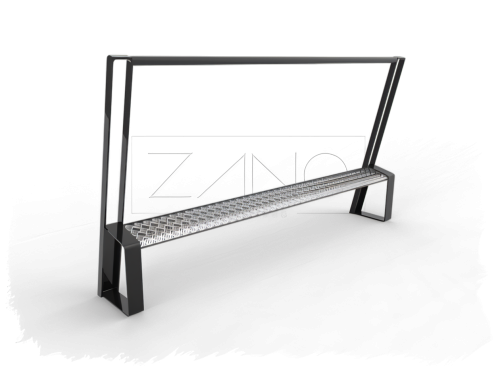
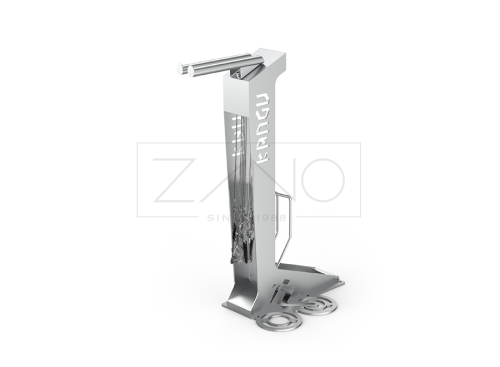
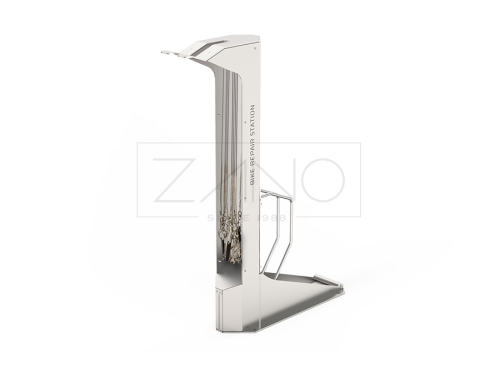
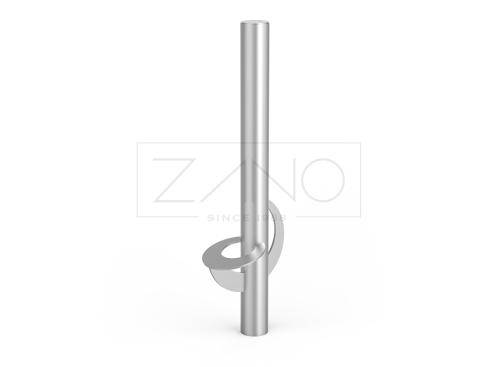
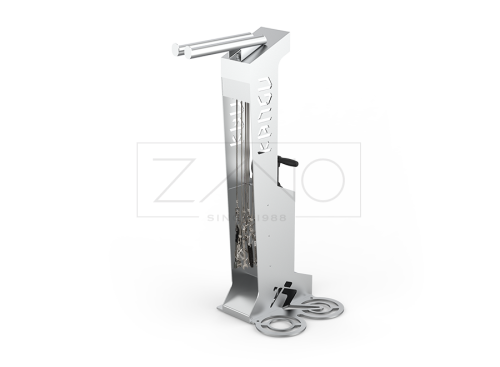
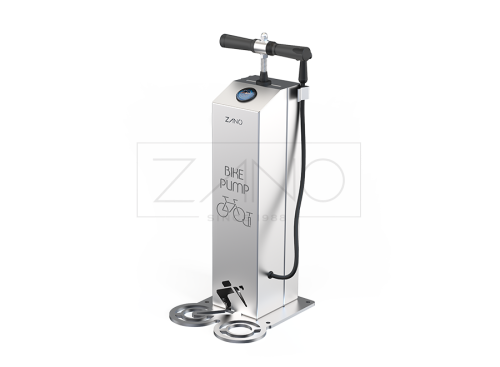
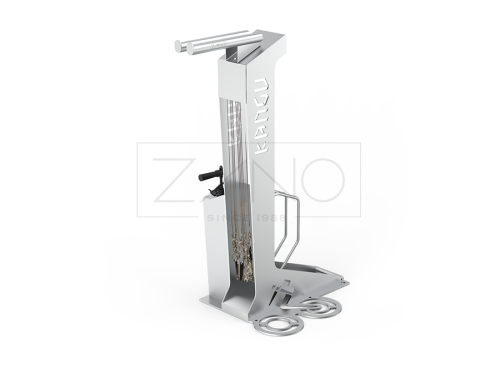
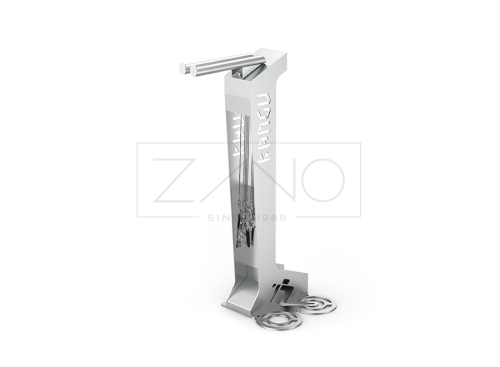
Carbon steel, specifically the grade S235JR, is a prevalent material choice in the fabrication of bicycle zones within urban settings. Known for its excellent formability and robustness, S235JR carbon steel offers the necessary durability and resistance to withstand the environmental elements commonly found in outdoor spaces. As city planners and architects endeavor to create more bicycle-friendly environments, the importance of high-quality, sustainable materials like carbon steel cannot be overstated.
A bicycle zone crafted from S235JR carbon steel typically features various components that are essential for both functionality and user convenience. These can include bike racks, shelters, and repair stations, all designed with the cyclist in mind. The steel’s strength enables these structures to support multiple bicycles securely, providing peace of mind to users who rely on these facilities to protect their valuable transportation.
The manufacturing process of these bicycle zones involves precision engineering to ensure that all parts align perfectly, offering ease of installation in various urban settings. With its ability to be molded into diverse shapes, S235JR carbon steel allows for the creation of modern and attractive designs that can complement any cityscape. Additionally, the material’s smooth finish not only adds to the aesthetic appeal but also makes maintenance easier, which is crucial for public infrastructures that experience frequent use.
Corrosion resistance is another critical aspect of S235JR carbon steel, which is often enhanced through coatings such as galvanization. This treatment extends the life of bike zones by protecting them from rust and degradation caused by rain, snow, and pollutants. Such resilience ensures that the infrastructure remains functional and visually appealing for years, thereby sustaining its usability and minimizing the need for frequent replacements or repairs.
Sustainability is an essential consideration in the production of urban furniture, and using recycled materials like carbon steel aligns with ecological goals. By opting for a material that can be continually recycled without degradation of its properties, manufacturers contribute to a circular economy and aid in reducing the carbon footprint associated with new material production. This practice not only supports environmental conservation but also resonates with modern consumers who prioritize sustainability in urban development.
Ergonomics play a significant role in the design of bicycle zones as well. Comfort and accessibility are paramount, ensuring that cyclists of all abilities can use the facilities without hassle. Features such as adjustable bike racks and user-friendly repair stations are integral, making these zones inclusive and promoting cycling as a viable and enjoyable mode of transportation for everyone in the community.
In conclusion, designing a bicycle zone using S235JR carbon steel provides a multitude of benefits ranging from durability and sustainability to aesthetic flexibility and ergonomic functionality. By integrating these zones into urban landscapes, cities take significant strides towards promoting a healthier, more sustainable mode of transportation, while supporting the daily needs of their residents and visitors. The long-lasting nature and minimal maintenance requirements of carbon steel make it an ideal choice for developing resilient and accessible urban bicycle infrastructure.