Benches
armchairs

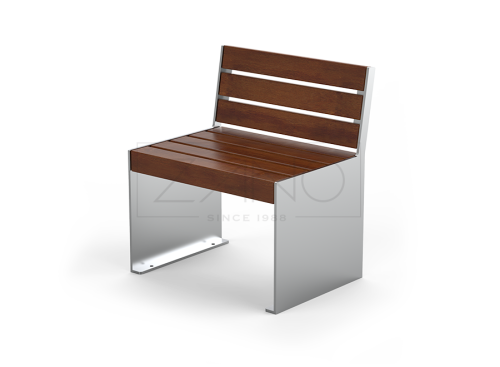
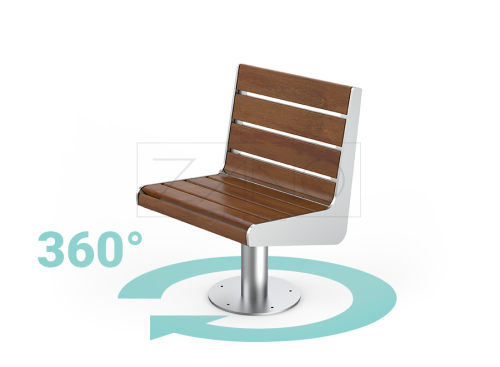
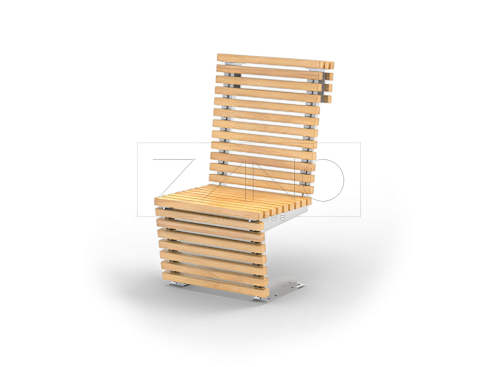
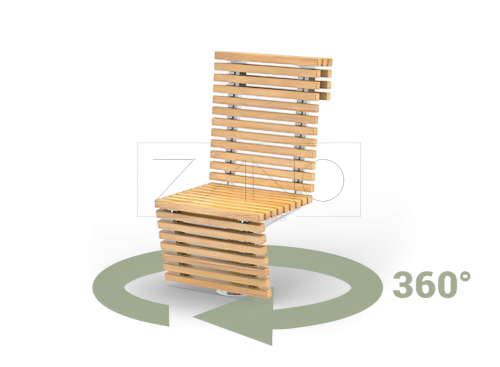
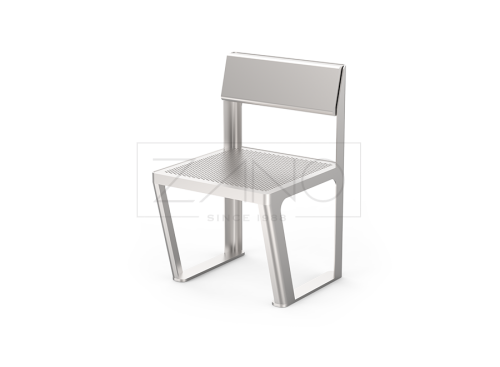
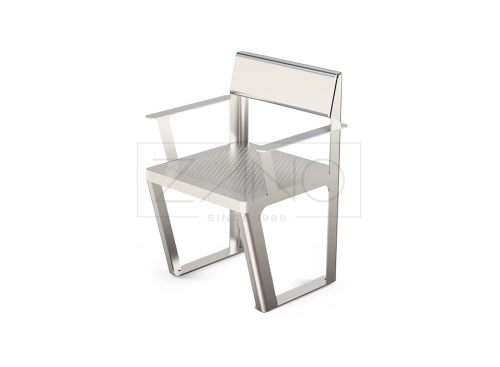
Benches are essential components of street furniture, offering a convenient and comfortable seating solution in public spaces. These elements enhance the functionality of urban environments, providing a place for individuals to rest, observe, and engage with their surroundings. The design and placement of benches can also contribute significantly to the aesthetic appeal of outdoor areas such as parks, streets, and transit stations.
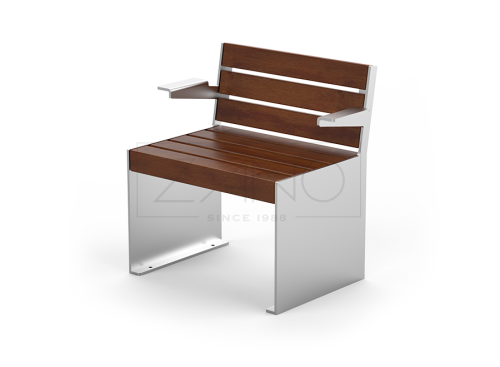
A bench chair, a specialized type of seating often found in urban furniture assortments, combines the utility of a bench with the individual comfort of a chair. This hybrid design typically includes armrests and back support, distinguishing it from traditional benches that might only provide a simple plank-style seat. The inclusion of these features increases accessibility and comfort, making bench chairs particularly favorable for elderly users or those who require additional support.
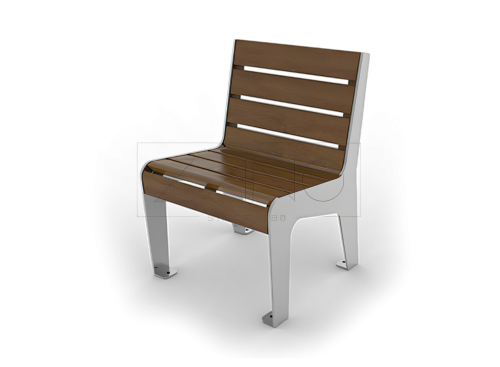
Construction materials for bench chairs are chosen based on durability, maintenance needs, and aesthetic considerations. Common materials include wood, which offers a classic and warm appearance; metal, known for its strength and resistance to vandalism; and recycled plastic, which supports environmental sustainability initiatives. Each material brings different benefits, allowing for customization according to specific requirements and contexts.
In urban planning, the strategic placement of bench chairs can enhance the usability of public spaces. These pieces of furniture are often found in areas with high pedestrian traffic, such as near walking paths, in public squares, or adjacent to playgrounds and other recreational facilities. They not only provide rest stops for visitors but also encourage social interactions, contributing to a lively community atmosphere.
Accessibility is a critical factor in the design of bench chairs. Features such as adequate seat height, armrests, and ease of getting in and out are considered to make these seats usable by everyone, including people with disabilities. The integration of universal design principles ensures that the furniture serves a wide demographic, reflecting the inclusive spirit of the community.
Maintenance of bench chairs involves regular cleaning, repair, and sometimes replacement of parts or materials. Weather-resistant finishes and anti-graffiti coatings can be applied to extend the life of these products and reduce the upkeep required. This is particularly important in environments that experience harsh weather conditions or high usage rates, ensuring that the investment in these public amenities continues to benefit the community for years to come.
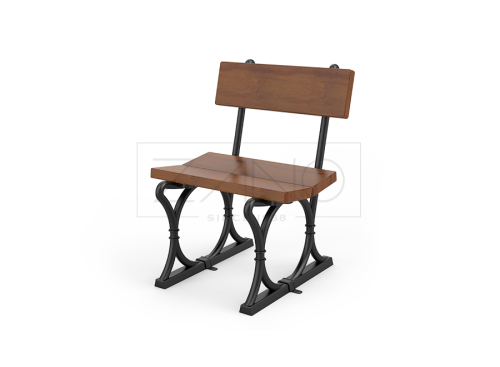
Lastly, the aesthetic integration of bench chairs into the overall design of a space is of paramount importance. Whether aiming for a modern, sleek look with steel and concrete or a more traditional feel with wood and cast iron, designers have a myriad of options to ensure that these functional items also enhance the visual appeal of the area. By carefully considering style, color, and form, bench chairs can significantly contribute to the overall character and atmosphere of public spaces, making them more welcoming and enjoyable for all users.