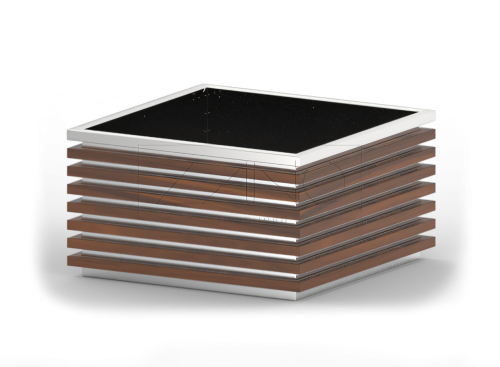
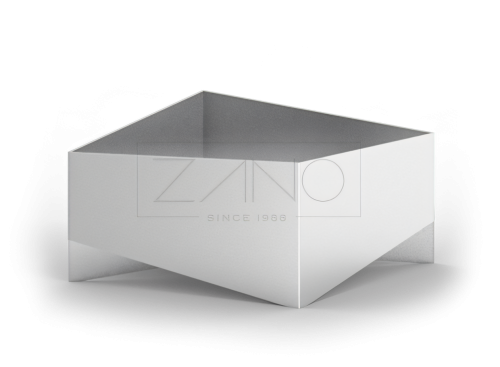
Flowerpot Rock
06.043.XL
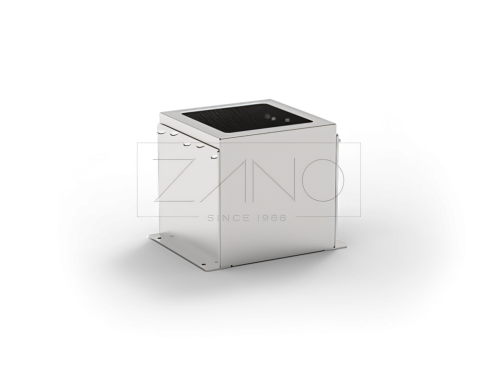
Flowerpot Domino
06.440
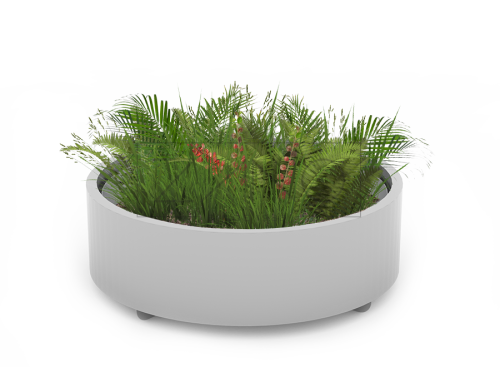
Flowerpot Universe
06.055.L
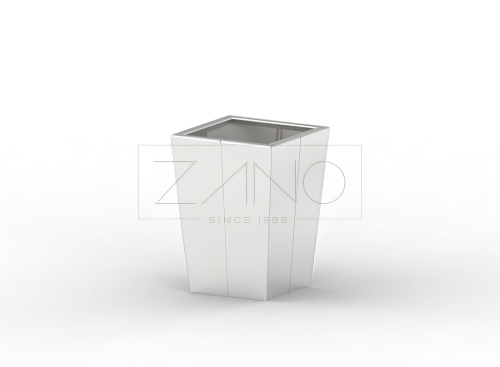
Flowerpot Tulip
06.021.S
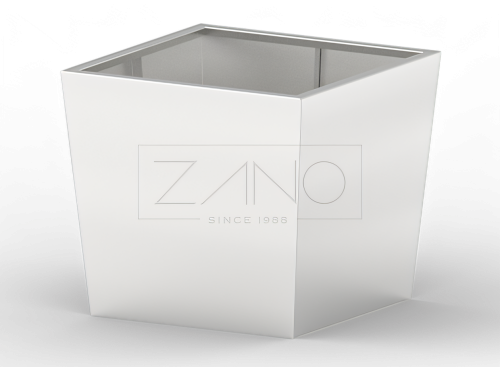
Flowerpot Tulip
06.021.2.XL
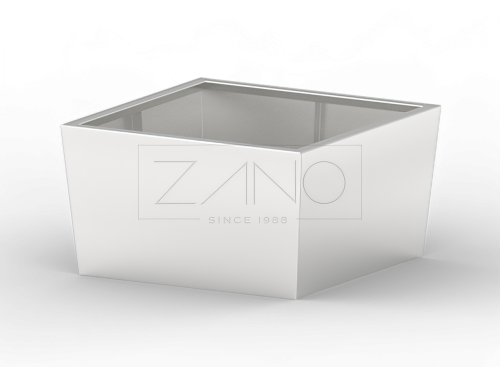
Flowerpot Tulip
06.021.2.L
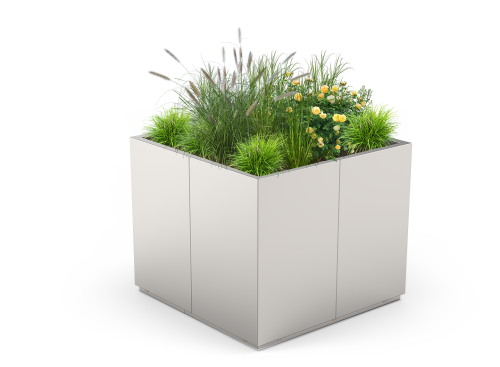
Flowerpot Quadro
06.176.XL
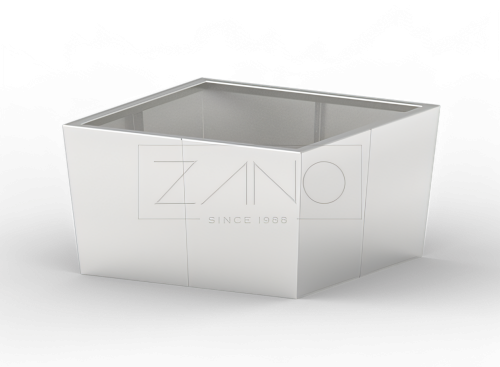
Flowerpot Tulip
06.021.L
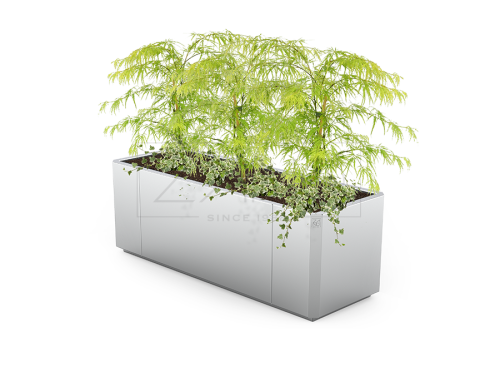
Flowerpot Stilo
06.048.L.1
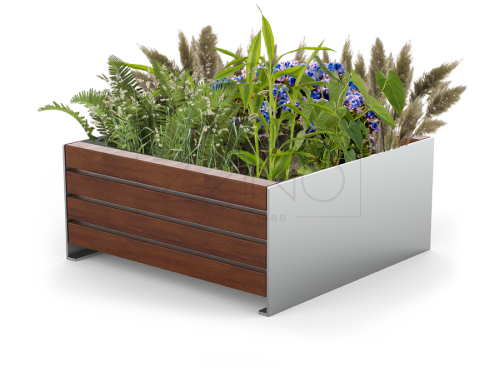
Flowerpot Simple
06.040.L
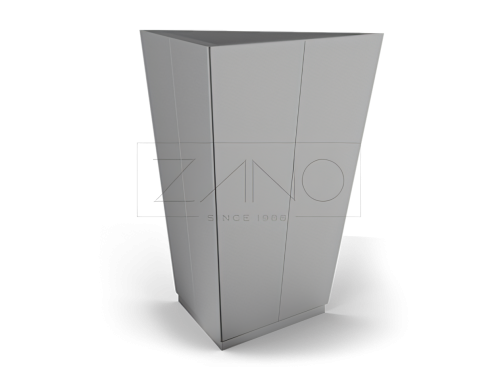
IVO flowerpot
06.045.XL
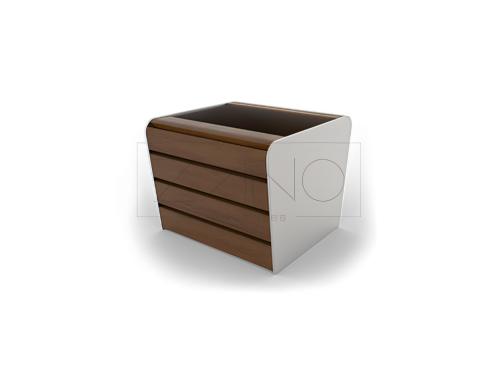
Flowerpot Soft
06.012.S
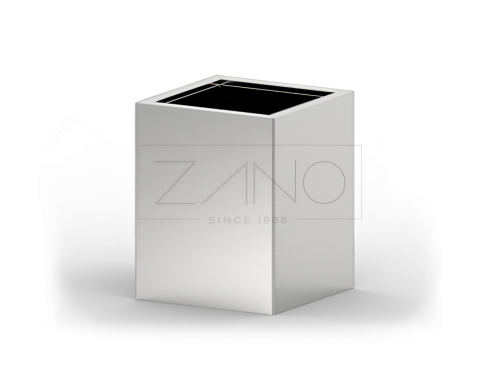
Flowerpot Agawa
06.020.2.M
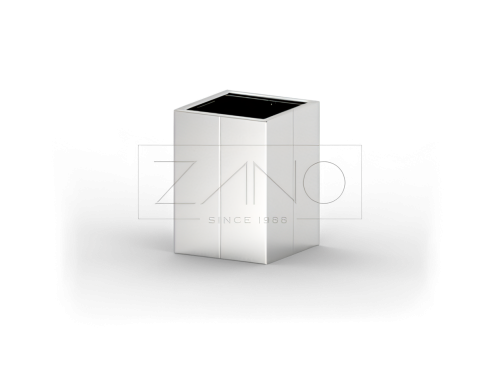
Flowerpot Agawa
06.020.S
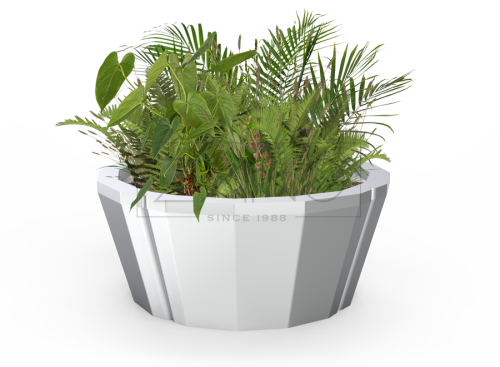
Flowerpot Scandik
06.146.S
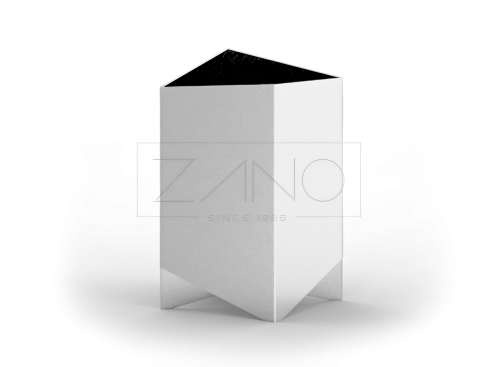
Flowerpot Rock
06.043.M
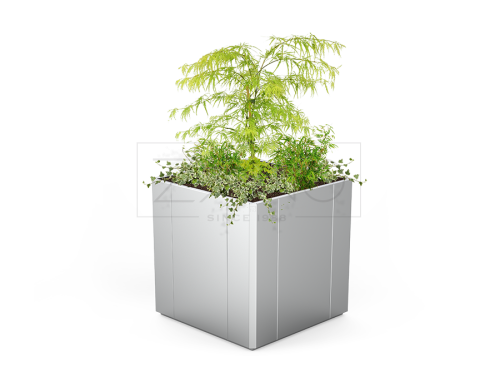
Flowerpot Stilo
06.048.XL
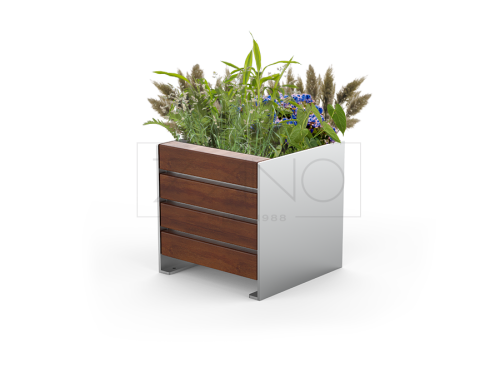
Flowerpot Simple
06.040.S
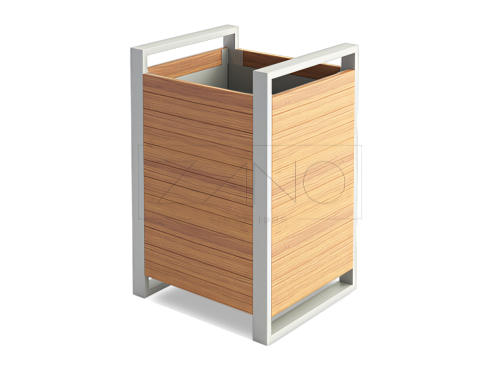
Flowerpot Sofa
06.041
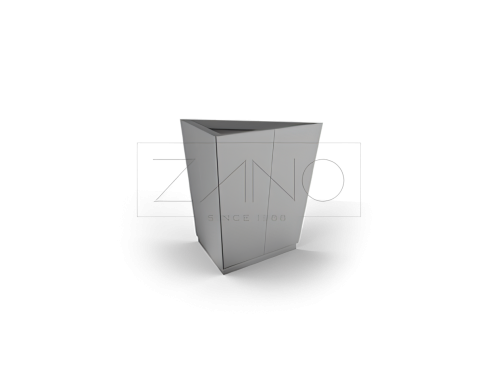
IVO flowerpot
06.045.S
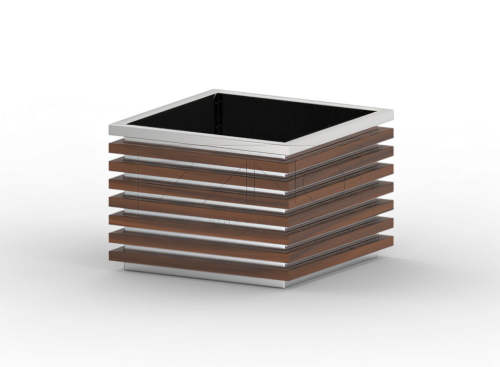
Flowerpot Block
06.042.M
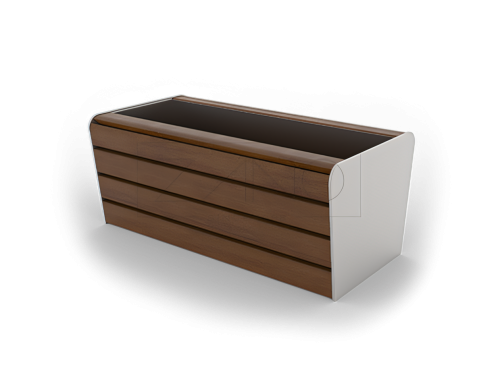
Flowerpot Soft
06.012.M
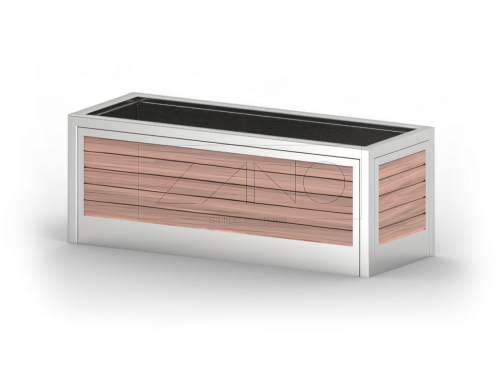
Flowerpot Salver
06.038.M
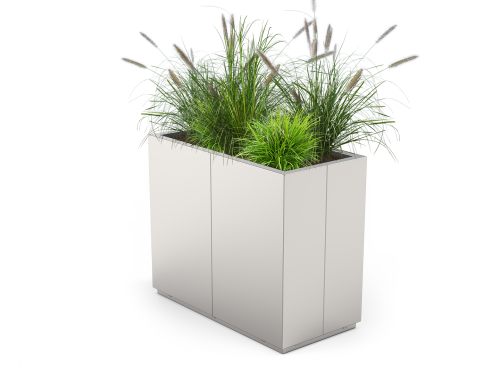
Flowerpot Quadro
06.176.M
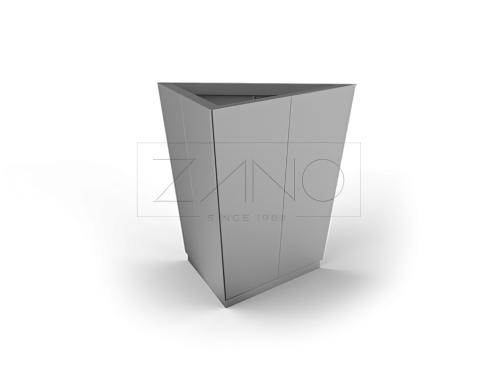
IVO flowerpot
06.045.L
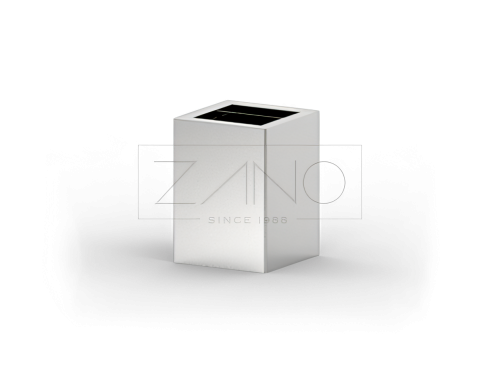
Flowerpot Agawa
06.020.2.S
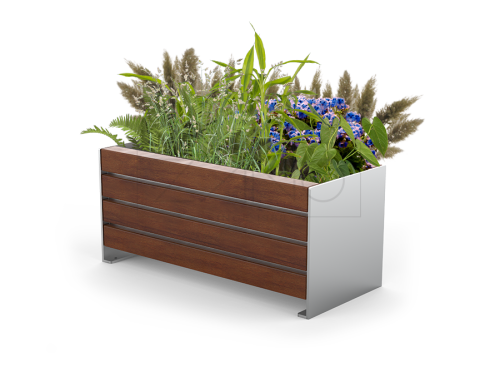
Flowerpot Simple
06.040.M
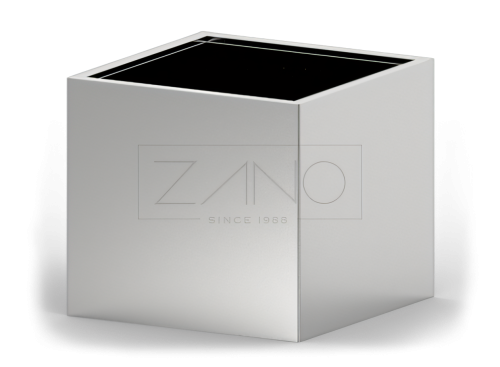
Flowerpot Agawa
06.020.2.XL
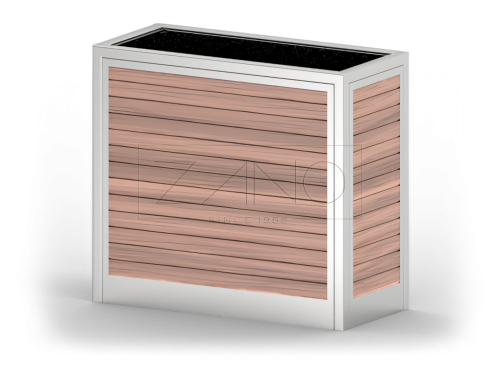
Flowerpot Salver
06.038.L
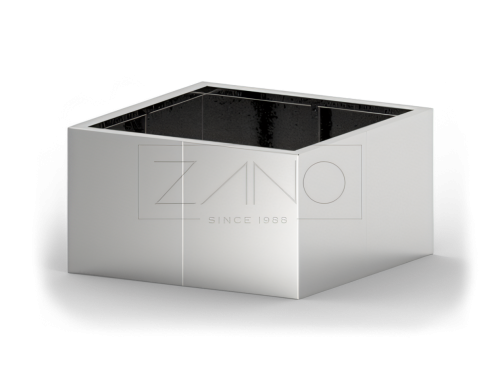
Flowerpot Agawa
06.020.L
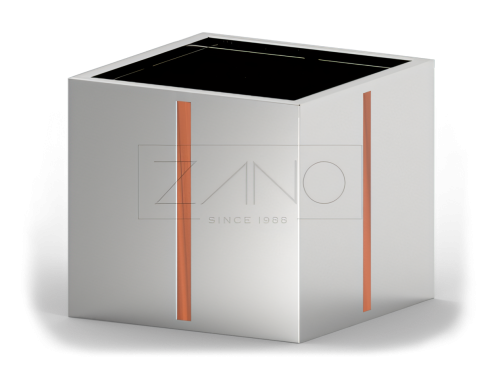
Flowerpot Agawa
06.020.1.XL
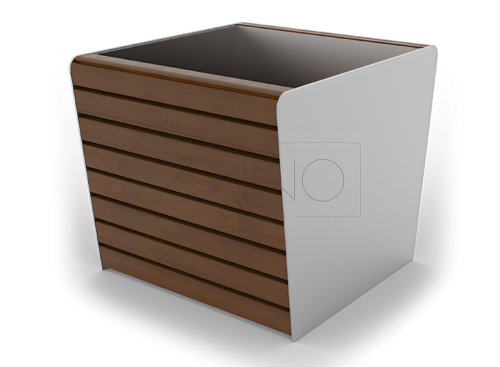
Flowerpot Soft
06.012.L
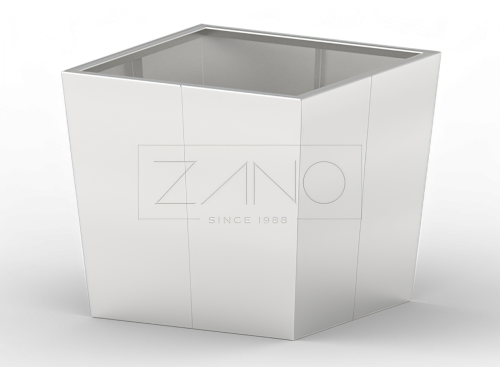
Flowerpot Tulip
06.021.XL

Flowerpot Rock
06.043.XS
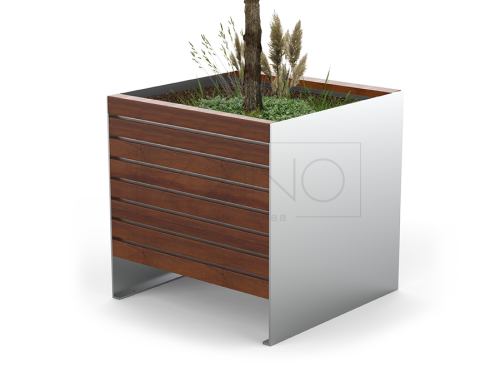
Flowerpot Simple
06.040.XL
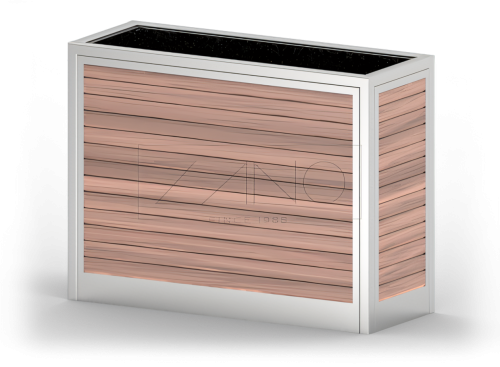
Flowerpot Salver
06.038.XL
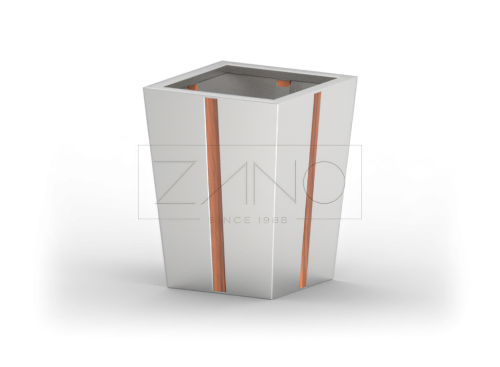
Flowerpot Tulip
06.021.1.M
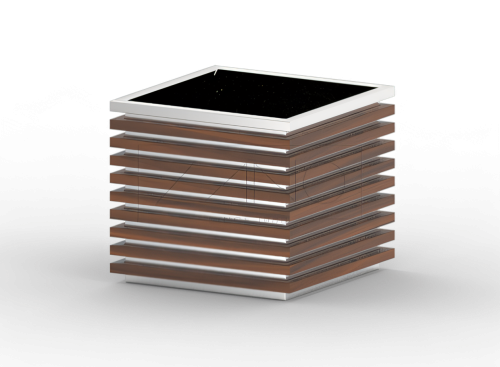
Flowerpot Block
06.042.L
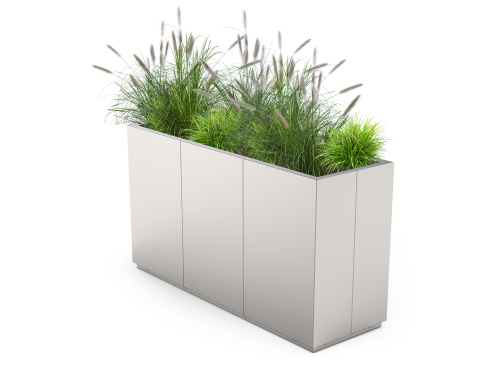
Flowerpot Quadro
06.176.L
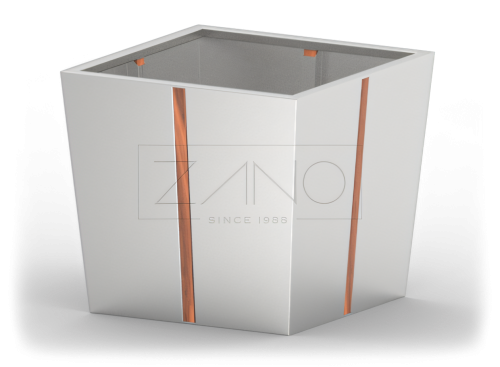
Flowerpot Tulip
06.021.1.XL
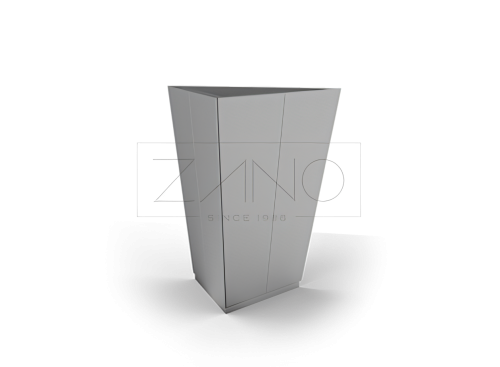
IVO flowerpot
06.045.M
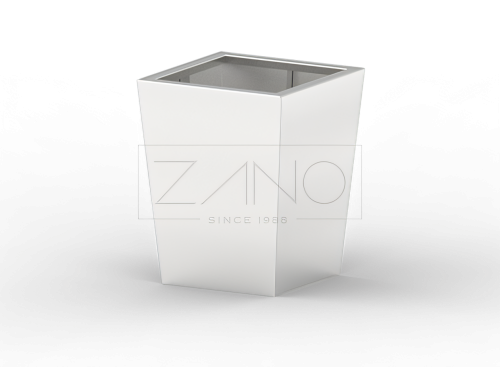
Flowerpot Tulip
06.021.2.M
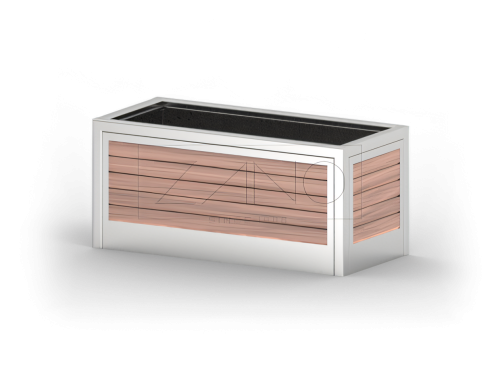
Flowerpot Salver
06.038.S
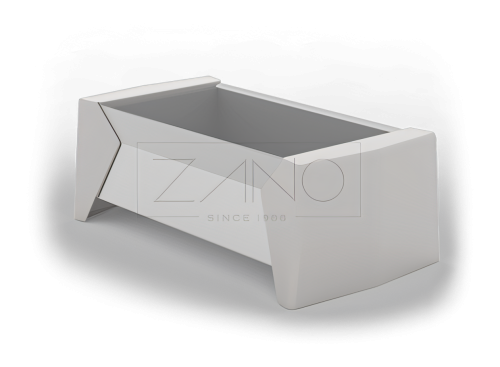
Flowerpot Photon
06.009.L
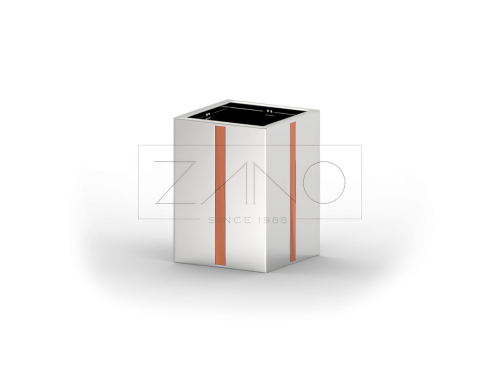
Flowerpot Agawa
06.020.1.S
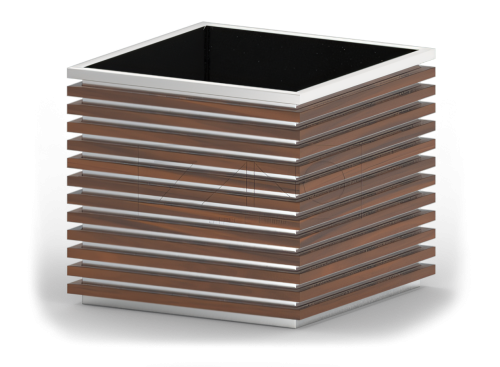
Flowerpot Block
06.042.XXL
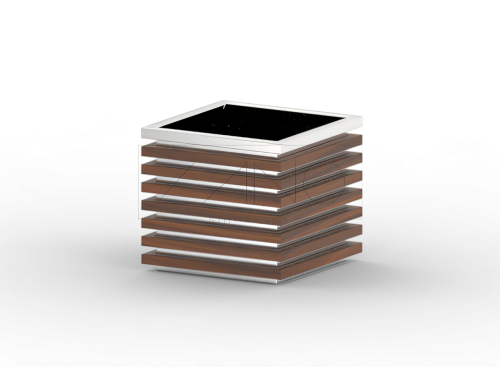
Flowerpot Block
06.042.S
Planters are essential elements in urban landscaping, serving both functional and aesthetic purposes in public and private spaces. These containers are designed to house various types of plants and greenery, contributing to the enhancement of environmental quality and urban beauty. Typically made from materials such as concrete, metal, or wood, planters are durable and capable of withstanding different weather conditions, making them ideal for outdoor settings.
The versatility of planters allows for their use in a myriad of urban spaces, including parks, sidewalks, patios, and commercial exteriors. Their ability to host a diverse array of plant species, from flowers to shrubs and small trees, enables urban planners and landscape architects to create more inviting and breathable environments. The inclusion of planters in urban design not only enriches visual appeal but also promotes biodiversity and helps with urban heat island effect mitigation.
In terms of design, modern planters can range from minimalist styles that complement contemporary urban aesthetics to more elaborate, traditional designs that enhance classical landscapes. The choice of material and design also impacts the maintenance needs and longevity of the planter, with some materials requiring more care but offering greater durability and weather resistance.
Security is another aspect where planters play a significant role; they can be strategically placed to serve as natural barriers that control the flow of pedestrian or vehicular traffic without the need for obtrusive physical barriers. Moreover, the placement of planters can help delineate spaces, create private nooks within public realms, and buffer noise from bustling city environments.
Sustainability is increasingly a focus in the production of planters, with more manufacturers opting for recycled or eco-friendly materials. These practices not only lower the environmental impact but also appeal to the growing market of environmentally conscious consumers. Additionally, self-watering planter systems have been developed to reduce water usage and maintenance time, further aligning with sustainable urban management practices.
The integration of technology in planter designs is a developing trend aiming to enhance functionality. Innovations such as built-in LED lights for night illumination and smart irrigation systems that are controlled via mobile apps are becoming more common. These features not only increase the practicality of planters but also their appeal in modern urban landscapes.
Overall, planters play a critical role in urban furniture, enhancing the visual and functional aspects of urban environments. With advancements in materials and technology, they continue to evolve, offering more benefits and fitting seamlessly into the urban fabric. Whether used for decorative purposes, environmental enhancement, or spatial organization, planters are indispensable in creating livable and aesthetically pleasing urban spaces.